There are so many factors to consider when you choose a city to move to that it’s easy to overlook the likelihood of natural disasters, disaster risk, climate risks, and hazard risk from climate change.
If you think about only such factors as real estate costs, access to medical facilities, crime rates, and employment opportunities without considering disaster preparedness, disaster resilience, and climate change impacts, you’re not getting the full picture, said Richard Murdocco, a real estate analyst based on Long Island, NY. The joy of moving to a new town quickly will evaporate if you’re hit by a devastating storm, flood, earthquake, forest fires, or other weather and climate disasters that cause disaster-related loss.
“Most people discount the disaster risk and hazard risk,” said William Begal, who owns a fire and disaster restoration company specializing in response and recovery based in Rockville, MD.
“They don’t think it’s going to happen to them,” Begal said.
If your home is destroyed or damaged, there’s no guarantee that you’ll be compensated for your loss, said Bill C. Evans, a disaster recovery consultant serving New York, New Jersey, and Pennsylvania.
“What you may not realize is that many insureds remain in heated disputes or even litigation with their insurance carriers, housing associations, vendors, clients, managing agents, etc., over a variety of disaster-related loss and disaster effects issues. Building disaster resilience and community disaster resilience before disasters strike helps with response and recovery,” Evans said.
Local governments play a crucial role in disaster preparedness and building disaster resilience through sustainable development practices, flood protection infrastructure like flood gates, early warning systems, and evacuation transport plans. Cities investing in community disaster resilience show better response and recovery outcomes when weather and climate disasters strike. However, climate change continues to increase disaster risk across the country, making hazard risk assessment more critical than ever.
While no community is completely safe from disasters—even rare meteor strikes pose theoretical disaster risk—think hard about disaster resilience, climate risks, and hazard risk before you contemplate a move to the following six cities where disaster risk from climate change and weather and climate disasters runs particularly high.
1. Fayetteville, NC: Don’t get burned or blown away
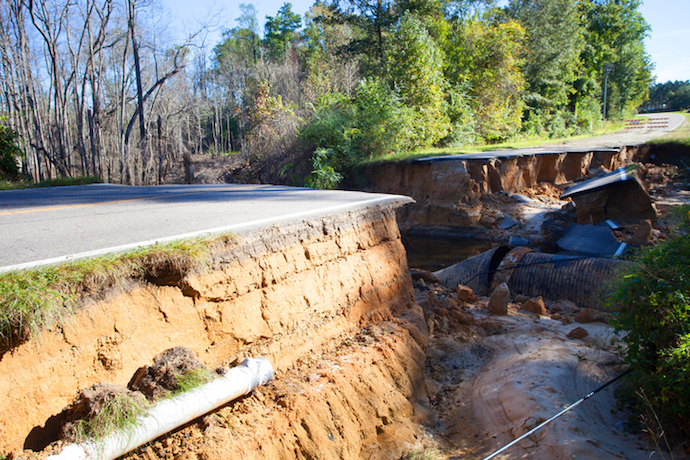
No metropolitan area in the country faces bigger disaster risk and hazard risk from natural disasters than the Fayetteville, N.C., metropolitan area, according to a USA Today report.
Roughly 20% of the area is at severe disaster risk from forest fires and wildfires. It also faces high disaster risk from hurricanes and tornadoes during storm season, creating multiple disaster effects throughout the year. Local governments are working on disaster resilience planning and evacuation transport routes.
2. New Orleans, LA: Free-floating anxiety
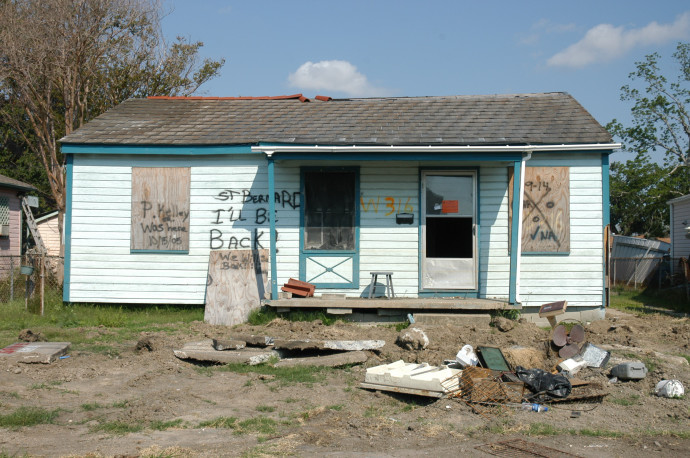
They say the blues were born in this city, and when you consider the disaster risk from flooding and rising sea levels due to climate change, it’s easy to understand why. The Weather Channel has rated New Orleans as the worst place in the U.S. to own a home because of the disaster risk from floods and lack of disaster resilience infrastructure, despite the City of New Orleans investing in flood protection measures.
When levees and flood gates failed during Hurricane Katrina in 2005, approximately 80 percent of the city was flooded, exposing disaster-related loss that exceeded $125 billion and revealing the importance of community disaster resilience and sustainable development practices. The City of New Orleans has since improved early warning sign systems and response and recovery capabilities.
3. Riverside, CA: A whole lotta shakin’ going on
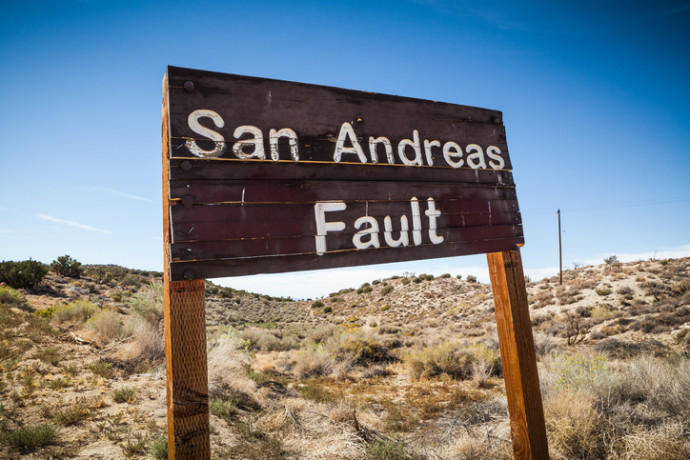
This sprawling metropolitan area, east of Los Angeles and the City & County of San Francisco region, is widely recognized as one of the most dangerous places to live in the U.S. for disaster risk. In addition to being subject to forest fires and wildfires, it straddles the earthquake-triggering San Andreas Fault—a disaster risk that extends north through San Rafael and other Bay Area cities.
The Los Angeles Times reports that the city of San Bernardino has one of the largest concentrations of unreinforced masonry buildings in the state—a disaster risk from earthquakes that threatens disaster effects across the region without sustainable development practices and building disaster resilience through seismic retrofits. Similar hazard risk exists in the City & County of San Francisco and other California cities.
4. Miami, FL: Escape to danger
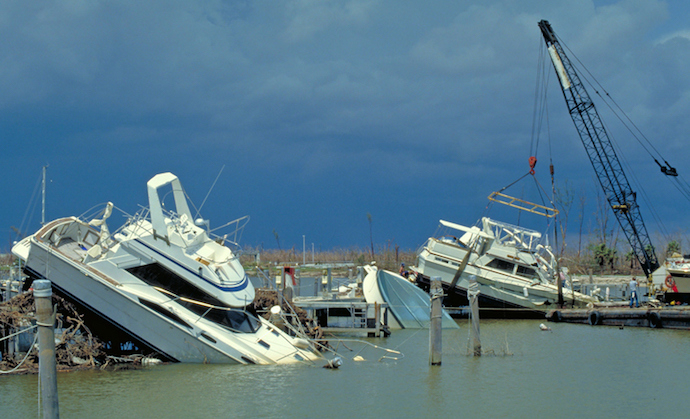
This city is known as a sunny refuge for retirees from less temperate regions, but there’s a price to be paid for warm weather: high disaster risk from weather and climate disasters and rising sea levels. Life Science notes that the U.S. Geological Survey estimates that the southern tip of Florida can expect more than 60 hurricanes over a 100-year period during storm season, creating ongoing disaster risk and disaster effects. Building disaster resilience through flood protection, early warning signs, and community disaster resilience programs is critical, but climate change continues to intensify storm season severity.
5. Worcester, MA: On thin ice
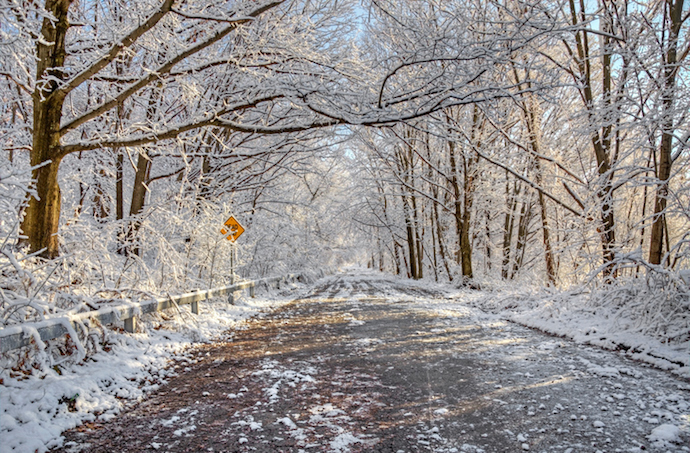
If you plan to move to this city, be sure to brush up on your winter driving and understand the disaster risk from severe winter weather and climate disasters. PropertyCasualty360 rates it the most dangerous city in the U.S. for winter weather motorists facing hazard risk. Because of the freezing conditions, drivers have an average of about 4.3 years between collisions.
Worcester has an average of 48.1 inches of annual precipitation, and climate change may increase the intensity of weather and climate disasters. Building disaster resilience includes better evacuation transport planning.
6. New York City, NY: Big risks in the Big Apple
“New York City and the surrounding suburbs face significant disaster risk from hurricanes during storm season, although many people don’t realize the hazard risk,” said Evans. The outer boroughs are especially vulnerable to storm surges and coastal flooding from rising sea levels and climate change, creating disaster effects and disaster-related loss. Once sparsely populated, those areas have become increasingly built up with homes and businesses.
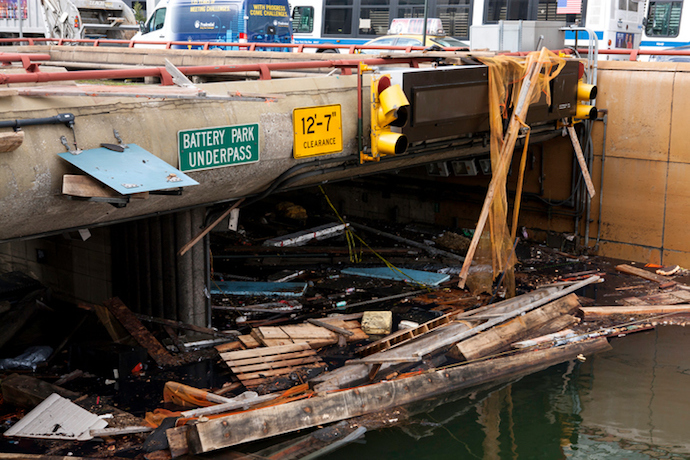
In 2012, Hurricane Sandy devastated many New York area communities, exposing the need for better disaster resilience, community disaster resilience, and disaster preparedness, he said. “The storm surge flooded the Brooklyn-Battery Tunnel despite flood gates and flood protection systems. We’ve since improved early warning signs, response and recovery protocols, and evacuation transport planning, but climate change continues to increase disaster risk across the region,” said Evans.
Regardless of where you live, building disaster resilience and community disaster resilience is essential. Local governments can support sustainable development that reduces disaster risk through smart planning, flood protection infrastructure, early warning systems, and efficient evacuation transport networks. Individual disaster preparedness—including understanding local hazard risk, climate risks, and disaster effects from climate change—improves response and recovery outcomes. While some cities face higher disaster risk from weather and climate disasters, forest fires, rising sea levels, or even theoretical threats like meteor strikes, every community can strengthen disaster resilience through sustainable development practices.
Stay Prepared with Self Storage
No matter which city you call home, one practical step toward disaster preparedness is securing your valuables and irreplaceable belongings in a self storage unit on higher ground or in a structurally reinforced facility away from flood zones and fire-prone areas. Whether you’re evacuating ahead of a Gulf Coast hurricane, bracing for California earthquake damage, or weathering a brutal New England winter, having your most important possessions stored safely offsite can significantly reduce disaster-related loss and speed up your response and recovery. Many self storage facilities also offer climate-controlled and elevated units specifically designed with hazard risk in mind—giving you one less thing to worry about when disaster strikes.



![The Best States to Retire: Top Destinations for Every Lifestyle and Budget [2026 Update]](https://www.selfstorage.com/blog/wp-content/uploads/2026/01/old-couple-on-a-boat.png)