Article takeaways
- Historic homes require approval from preservation boards for renovations, meaning repairs must meet strict historic district regulations while satisfying insurance and mortgage requirements.
- Specialized materials, labor-intensive maintenance, and hidden problems like outdated plumbing or electrical systems make historic homes significantly more expensive to maintain than modern properties.
- Historic homes offer unique character and property value appreciation, but lack modern amenities like open layouts, adequate storage, energy efficiency, and updated systems that contemporary homes provide.
When we think of owning a historic home, we see images of timeless architecture, rich history, and the unusual character of an older home.
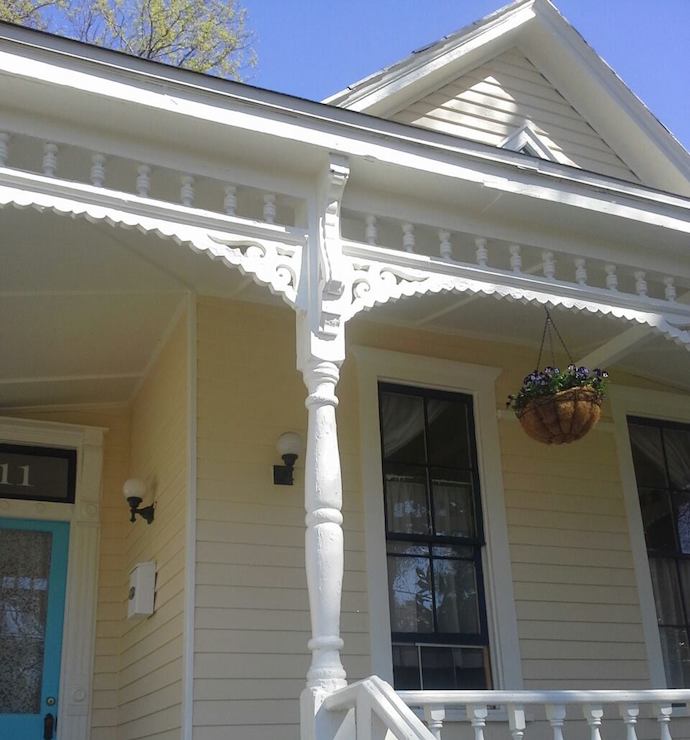
And that’s true. Living in a historic home exposes us to the charm of original woodwork, curb appeal, and unique architectural details.
But behind all picturesque fairy tales lurks a reality check. Owning a historic house requires approval from a historic preservation board. You’ll have to foot the bill for at least some of the renovation costs to make the homeowners’ insurance companies happy and to apply for mortgage options. However, all your repairs must still comply with the historic district regulations.
Navigating the world of historic real estate requires more than just a keen eye for charming buildings and a real estate professional. You need to be prepared for potential restoration needs, the intricate web of preservation regulations, and the financial considerations involved.
This helpful guide explains the essential renovation aspects to consider when buying a historic home and how to get financial support from government incentives for restoration projects. We’ll cover how to walk the line between updating your living space and maintaining its historic home status. We’ll also reveal how a self-storage unit can streamline the renovation process, and how our signature SelfStorage.com locator tool can help you find the ideal unit to keep your belongings, tools, and materials safe while you rebuild.
My husband and I bought a historical Victorian Cottage. It was charming, but it took a combination of real labor and straddling red tape. I’ll be mixing some things we learned from our personal experience into this guide as we go along.
Buying A Historic Home is a Commitment
Buying historic homes is agreeing to steward a piece of architectural heritage. If your home is located within historic districts or is listed by preservation organizations like the National Register of Historic Places, significant changes may require approval from entities like the Historic Preservation Office. A local architectural review board will have to ensure your upgrades meet historic preservation ordinances.
If your new home is in a historic district, your neighbors are likely passionate about maintaining the character of the historic neighborhood and may have strong opinions about what you should do with your home.
In the case of our leaky roof, that meant we had to consider the historic integrity. We had to go to the local historic preservation board to get our roof project approved. And one of our neighbors showed up to oppose our taking off the old roof. That made an already tough decision more stressful.
- Unforeseen issues arise whenever you buy an older property.
- When your property has a historic designation attached, fixes are more involved and more expensive.
- how strict the rules you’ll have to follow are hinges on the level of historic designation
On the plus side, you might be able to get city, state or federal historic preservation tax credits for any historical home improvements you make while living in your local historic district.
- There are tax incentives, like historic preservation easements, for taking on historical building projects.
- And even if your house isn’t recognized as a historic building on the national level, it could hold a local historic designation and qualify for local grants of tax credits.
Another plus side to living in a historic house is a property value increase. Newer homes tend to depreciate, while houses in historic districts see more of a property value appreciation.
And with a lower homeowner turnover rate, it pays to make peace with the neighbors, even if that means pivoting your roof replacement into a roof restoration effort.
The Character Of An Older Home Comes At the Cost of Modern Amenities
The charm of a historic house comes with practical limitations that clash with modern lifestyles. Unlike contemporary homes built with open-concept living and extra storage space in mind, older homes were designed for different eras and priorities. Trust me, our Victorian cottage was no Victorian Mansion.
You may have to implement some attic storage hacks and small living room organization ideas to feel like you can breathe a little. For example, my closet is tiny, but I lacked the funds to enlarge it, so I had to downsize my clothes and create a capsule wardrobe in a storage unit.
And it doesn’t stop with closet space. Historic homes often feature smaller rooms, less natural light in certain areas, and plumbing and electrical systems that don’t hold up against current building codes.
Pattie Haubner, who owns a 1926 Colonial home in Scarsdale, NY has a tiny third-floor bathroom that used to be part of the maid’s quarters.
“At times, I have been frustrated by the size and layout of the rooms because they were designed for lifestyles of another era,” she said.
Haubner recommends making sure, before you buy an old home, that you “love the bones and layout.” After all, significant alterations to the core architectural style may conflict with preservation guidelines. And doing them in a way that maintains the historical integrity can be expensive to contract and labor-intensive to undertake yourself.
Historical Homes Have Restoration Needs
Historic homes are living artifacts that demand attention. The specialized maintenance required comes at a higher renovation cost. Their original materials are a big part of what gives them their charm. But the materials used on historical buildings require more detailed care than the stuff they make modern buildings out of.
For example, the wood siding common in many historic homes may require regular painting and meticulous upkeep to prevent rot, a process that can be labor-intensive and expensive. And when lead paint on such siding begins to peel, you’ll have to take immediate action to protect the house’s structure and your health.
A few years after move-in day, the paint on our wood siding began to peel so badly that we had to act right away or risk wood rot. We got several exterior painting bids, but all were $10,000 or more for applying the paint with a sprayer.
I talked my husband into spending a summer painting the house with me. We painted until we never wanted to see a brush again. On the positive side, there’s no better way to get to know neighbors than painting the outside of your house.
And all that said, homeowners can receive funding through grants and tax credits to alleviate some of the high restoration costs, as long as the renovations are in the spirit of historic preservation.
And when it’s all said and done, these home renovations increase the property value of historic homes.
Expect Hidden Problems When Buying a Historical Home
If you consider the age of a historic building, it only makes sense that hidden problems will arise along with the more cosmetic issues.
Part of what makes historic buildings charming is that some of their components might date back decades. And while they were state-of-the-art at the time the house was built, these components have since worn down or been repaired haphazardly.
One example is sewer lines. Most pre-1950 homes have clay sewer lines, which can get invaded by tree roots. That’s what happened at our Craftsman home. It caused our basement to flood with sewer water not long after we moved in, a shock to find on a Saturday morning.
When Lola Sims bought a 1920 home in Allendale, PA for $6,700, she encountered many awful surprises, including “busted pipes that flooded the kitchen, backed up waste, having to dig new gas lines, finding six sub floors, and tree roots growing in the basement.”
Another example is old electrical wiring, which may not be able to handle modern energy demands, posing fire hazards.
Before buying a historic home, you’ll want to have a qualified home inspector with experience in historic properties conduct a thorough home inspection. They can identify potential issues such as outdated plumbing systems, faulty foundations, or hazardous materials like lead paint.
Some other historic house inspection focus pints include:
- Check the water pressure in all fixtures. Low water pressure can help identify potential plumbing issues.
- Inspect the basement for musty smells, water damage, and foundation problems, which may require repairs.
- Examine mechanical systems such as the furnace and water heater for age and condition.
- Assess whether the electrical wiring and plumbing seem to be poorly constructed, as these could indicate the need for costly updates.
Buy Historical Homes for the Charm Factor, But Not Energy Efficiency
The initial purchase price of a historic home might seem like a bargain. But the ongoing operational costs of home ownership, particularly for energy, can be surprisingly high. Drafty windows and doors and inadequate (or non-existent) insulation can lead to significant heat loss in winter and heat gain in summer. The end result is energy bills that are intimidating, to say the least.
For example, Mike Arman, a retired mortgage broker in Oak Hill, FL, has owned historic homes but has now moved into a new home he built. Drafty windows and doors and poor or no insulation can cause sky-high energy bills in old homes, he said. Since he built his new home, his monthly energy bill has broken $100 only once during a very hot summer, he said.
Addressing energy efficiency in historic homes requires careful consideration. Adding insulation may be your first impulse, and it’s not a bad idea. Just be sure not to impact the historic integrity of the building is crucial.
Making moves like swapping aluminum storm windows for superior wooden storm windows or upgrading HVAC systems can all help lower these costs. That said, when buying a historic house, assess the house honestly and factor these potential expenses into your spending budget. Investing in energy efficiency lowers your monthly bills, enhances your comfort, and contributes to the long-term sustainability of the historic building.
How Self-Storage Can Serve Your Historic House’s Renovation Needs
So now you know what you’re up against when it comes to buying a historical home. With every pound of charm comes a pound of sweat, labor, renovation, and upkeep.
But you’re not alone–SelfStorage.com is here to help you tackle the renovation project. Here’s how:
A storage unit can simplify and streamline your historic house renovation projects. By providing a convenient, temporary space to store materials, tools, and furniture, self-storage units help keep your home organized and clutter-free during upgrades.
Self-storage provides a clean, accessible space that can act as your personal historic home renovation HQ. Think of it as a temporary workshop, supply closet, and clutter buffer all in one. You can stage materials in advance, organize tools between uses, and rotate furniture or décor depending on the season or your project timeline.
A climate-controlled storage unit can protect indoor furniture or fragile items during power washing, sanding, or painting. Rather than cramming everything into a guest room or basement, you can create a secure, temporary holding space.
And finally, when comparing the monthly cost of self-storage (often less than a dinner out) to the cost of living with renovation chaos, tripping over tools, or risking damage to your historic architecture, it’s an easy choice. A little off-site organization goes a long way toward making your curb appeal project more enjoyable and far less stressful.
Protect Your Belongings: Use a storage unit to safeguard indoor furniture and décor from dust, moisture, or accidental damage when painting, pressure washing, or handling outdoor repairs.
Take Advantage of Free Security Features: Choose a storage facility that provides robust security measures like gated access, surveillance cameras, onsite security, and motion-sensing lights.
Create a Staging Area: Storage units offer a clean, out-of-the-way space to temporarily house your historic home renovation materials, plan layouts, or prep supplies.
Stay Organized: Store everything in labeled bins or on shelving systems inside your unit. Make the most of your unit by setting it up for easy access and organization.
Maintain Your Historic Integrity: When tackling outdoor upgrades, don’t let your renovation tools, paint cans, or hardware clutter your historic curb appeal.
Short-Term Flexibility: Month-to-month storage rentals mean you only pay for what you need, when you need it.
Here’s How SelfStorage.com Can Help
You can make buying a historic home more manageable by visiting SelfStorage.com to find affordable, convenient self-storage options near you. We’ll track down the perfect storage space for your historic house renovation HQ while you focus on restoring the place and maintaining historic integrity.
If you’re planning to sell or relocate from your old place into a classic, charming historic house, improving curb appeal can support a faster, higher-value sale and help you feel more in control while you decide what’s next. Your dream historic house is just a few smart steps and one storage unit away!